

Patient Resources
UNDERSTANDING YOUR PROSTHETIC JOURNEY
Whether you’re preparing for an amputation, exploring your first prosthesis, or learning how to care for your current device, having the right information makes all the difference. At Lone Star Prosthetics, we believe informed patients are empowered patients. Explore helpful resources designed to answer your questions, set realistic expectations, and support you through every stage of your journey.
COMMON CAUSES OF AMPUTATION
Limb loss can happen for many reasons. Some amputations occur unexpectedly following an injury, while others result from medical conditions that develop over time. Understanding the cause of an amputation can help patients and their families prepare for recovery and future prosthetic care.
DIABETES & PERIPHERAL VASCULAR DISEASE
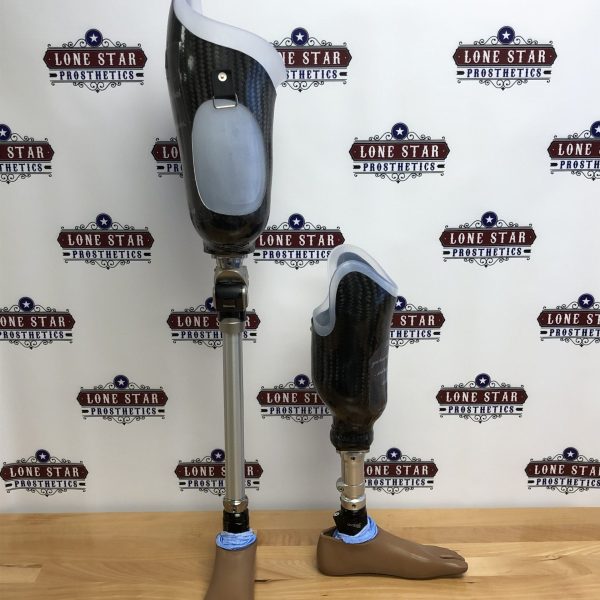
Type 2 diabetes and peripheral vascular disease (PVD) can affect circulation, sensation, and the body’s ability to heal. Over time, these conditions may lead to complications that require amputation.

TRAUMATIC INJURIES
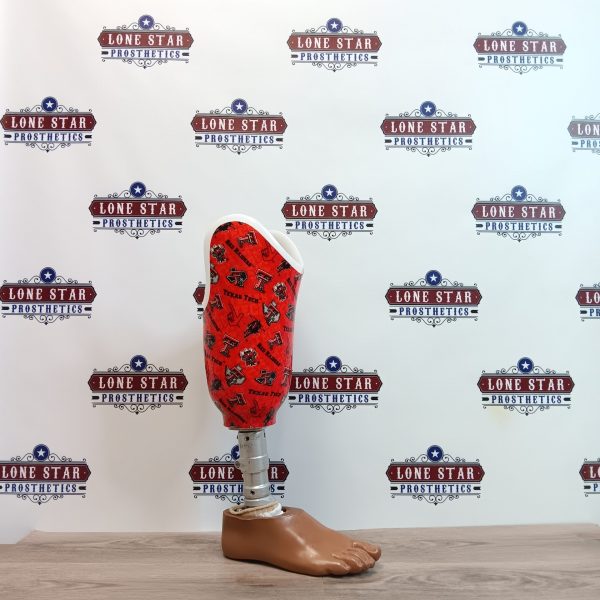
Accidents involving motor vehicles, industrial equipment, warehouse machinery, and other traumatic events can cause severe injuries that result in limb loss. These amputations often happen unexpectedly and may require immediate medical intervention.
CANCER & OTHER MEDICAL CONDITIONS
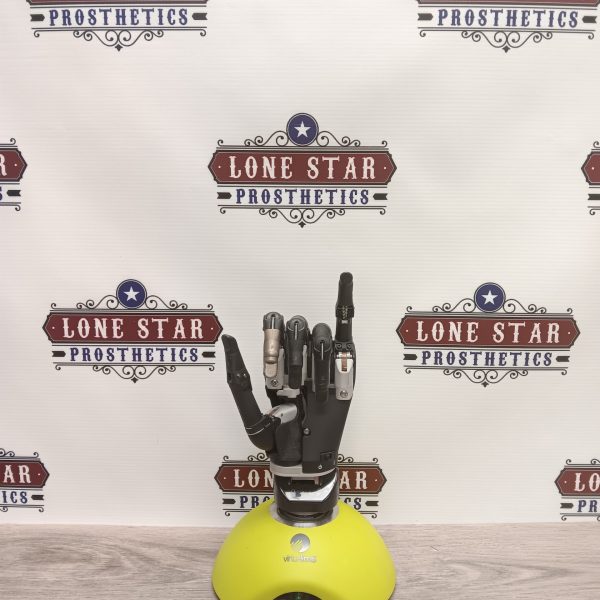
Certain cancers, particularly those affecting bones or soft tissues, may require amputation as part of treatment. Other serious infections or medical complications can also lead to limb loss.

PLANNED VS. EMERGENCY AMPUTATIONS
Some amputations are planned following months or years of medical treatment, while others happen suddenly due to an accident or medical emergency. Regardless of the circumstances, your prosthetic care team can help you understand your options and prepare for the next steps.
WHAT DOES YOUR AMPUTATION LEVEL MEAN?
The level of amputation refers to where a limb has been removed. This plays an important role in determining prosthetic design, available components, and rehabilitation needs.
Common lower-limb amputation levels include:
Partial Foot Amputation
Removal of one or more portions of the foot while preserving part of its structure.

Below-Knee Amputation (Transtibial)
Removal of the lower leg below the knee, preserving the natural knee joint.
Through-Knee Amputation (Knee Disarticulation)
Removal of the lower leg through the knee joint.
Above-Knee Amputation (Transfemoral)
Removal of the leg above the knee, requiring a prosthesis with an artificial knee joint.
Hip Disarticulation
Removal of the entire leg through the hip joint.
Upper Limb
Upper-limb amputations also vary in level, from partial hand and finger loss to below-elbow, above-elbow, and shoulder-level amputations.Your prosthetist will help explain how your individual anatomy influences your prosthetic options.
WHAT TO EXPECT DURING RECOVERY
Recovery after an amputation is a gradual process, and no two patients follow exactly the same timeline. Healing depends on several factors, including your overall health, circulation, amputation level, and rehabilitation progress.
The following milestones provide a general overview of what patients may experience.
THE FIRST 3 MONTHS
Healing & Preparation
During the early stages of recovery, the focus is typically on surgical healing, managing swelling, protecting the residual limb, and beginning rehabilitation.
Patients may work with their healthcare team on strengthening exercises, mobility, balance, and preparing the limb for a future prosthesis.
Some patients may begin prosthetic fitting during this period, while others need additional healing time.
3–6 MONTHS
Learning & Adjusting
As healing progresses, eligible patients may begin using a preparatory or initial prosthesis.
This stage often involves learning how to put on and remove the device, practicing walking or functional activities, and becoming familiar with proper socket fit.
Changes in residual limb size are common, so adjustments may be necessary.
6–9 MONTHS
Building Confidence
Patients may continue developing strength, balance, endurance, and confidence with their prosthesis.
As the residual limb changes shape and volume, socket adjustments or replacement may be needed to maintain a comfortable fit.
AROUND 1 YEAR
Establishing Your Routine
Many patients have developed a more consistent routine with their prosthesis by this stage.
However, continued changes in limb volume, activity level, and mobility goals may require additional adjustments or a new socket.
2 YEARS & BEYOND
Long-Term Prosthetic Care
Prosthetic care doesn’t end once you’ve received your device.
Regular evaluations help ensure your prosthesis continues to support your needs as your body, lifestyle, and activity levels change.
Components may require maintenance, repairs, or replacement over time.
IMPORTANT TO REMEMBER
These timelines are general educational guidelines, not guaranteed recovery milestones. Some patients progress more quickly, while others require additional time. Your surgeon, rehabilitation team, and prosthetist will help determine what’s appropriate for you.
THE ANATOMY OF A PROSTHESIS
A prosthesis is more than an artificial limb. It’s a carefully designed system of components working together to provide support, comfort, stability, and function.
Understanding these components can help you recognize changes in fit and communicate more effectively with your prosthetist.
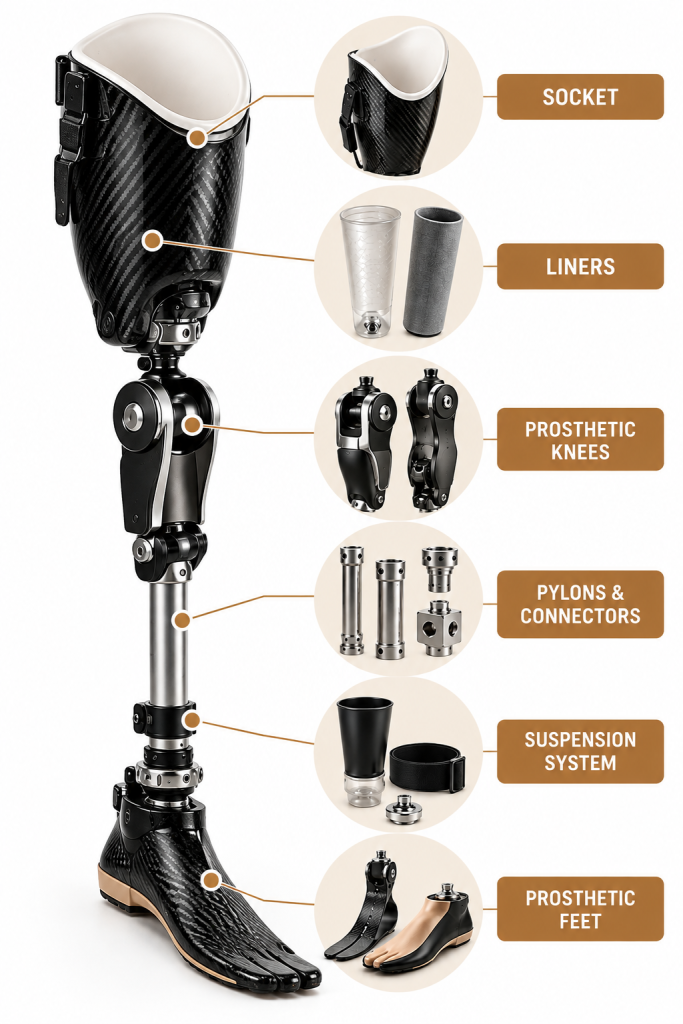
SOCKET
The socket is the custom-fitted portion of your prosthesis that surrounds your residual limb. It provides the primary connection between your body and the prosthetic device.
Proper socket fit is essential for comfort, stability, and safe movement.
LINERS
Prosthetic liners provide a protective interface between your residual limb and the socket. Depending on the design, they may also help suspend the prosthesis.
SUSPENSION SYSTEM
The suspension system helps keep your prosthesis securely attached to your residual limb.
Common systems include locking liners, suction, vacuum-assisted suspension, sleeves, and lanyard systems.
PROSTHETIC KNEES
For above-knee prostheses, an artificial knee joint helps control movement and provide stability during walking and other activities.
Knee options vary based on individual mobility needs.
PYLONS & CONNECTORS
These structural components connect different parts of the prosthesis and help establish proper alignment.
PROSTHETIC FEET
Prosthetic feet provide support during standing and walking. Different designs offer varying levels of flexibility, stability, and energy return.
FIT, MAINTENANCE, & REPLACEMENT
WHEN DOES A PROSTHESIS NEED TO BE ADJUSTED OR REPLACED?
A prosthesis is designed specifically for your body, but your body doesn't remain exactly the same over time.
Changes in weight, residual limb volume, activity level, and component condition can affect how your prosthesis fits and functions.
Common reasons for adjustments or replacement include:
- Weight gain or weight loss
- Changes in residual limb size or shape
- Increased or decreased activity levels
- Persistent discomfort or pressure points
- Worn or damaged components
- Changes in mobility needs
- A socket that no longer fits properly
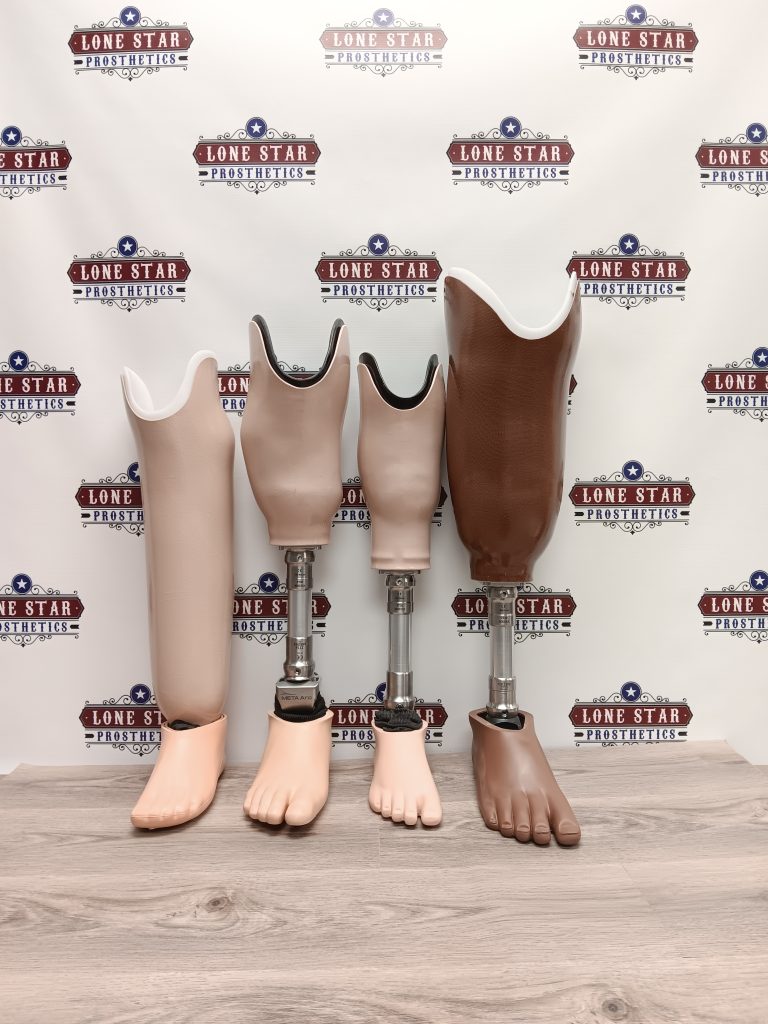
HOW OFTEN DO YOU NEED A NEW PROSTHESIS?
There isn't one replacement schedule that applies to every patient.
Some individuals require socket replacements more frequently during the early stages of recovery because their residual limb continues to change.
Others may use the same prosthetic components for several years with proper maintenance.
Replacement decisions depend on medical necessity, fit, function, component condition, and insurance requirements.
WARRANTIES & INSURANCE COVERAGE
Many prosthetic feet and knees have manufacturer warranties lasting approximately 2–3 years, although coverage varies by product and manufacturer.
For mastectomy products, some breast forms carry approximately two-year warranties, while replacement eligibility for mastectomy bras may be available annually depending on insurance coverage and medical necessity.
Insurance approval is not determined by warranty length alone. Your prosthetic team can help you understand documentation requirements and determine when adjustments, repairs, or replacement may qualify for coverage.
COMMON PROSTHETIC FIT ISSUES
Is Your Prosthesis Fitting Correctly?
A properly fitting prosthesis should feel secure and provide appropriate support without causing persistent pain or skin damage.
Because residual limb volume can change throughout the day, even a previously comfortable socket may begin to feel different.
Here are some common issues patients experience and what they may indicate.
My Prosthesis Feels Heavy
A prosthesis that suddenly feels heavier or harder to control may be fitting too loosely.
When the socket doesn’t maintain a secure connection with your residual limb, additional effort may be required to move and control the device.
I Feel Pressure at the Bottom of My Limb
Pressure near the end of your residual limb may indicate that you’ve lost volume and are sitting too deeply inside the socket.
This is sometimes called bottoming out and may require sock adjustments or a socket evaluation.
My Prosthesis Feels Too Tight
Changes in limb volume, swelling, or sock thickness can prevent your residual limb from sitting properly inside the socket.
If the fit feels unusually tight, your prosthetist can help determine the cause.
My Prosthesis Is Twisting
Excessive rotation or twisting may indicate that your socket or suspension system isn’t maintaining a secure fit.
This can affect stability and comfort during movement.
My Prosthesis Feels Too Tall or Too Short
Changes in residual limb volume can affect how deeply your limb sits inside the socket.
If your limb isn’t fully seated, the prosthesis may feel too tall.
If your limb sinks too deeply, it may feel too short.
These changes can affect alignment and walking mechanics.
I'm Developing Redness or Wounds
Persistent redness, blisters, open wounds, or skin irritation can indicate excessive pressure, friction, moisture, or improper socket fit.
Do not continue wearing a prosthesis that is causing an open wound or worsening skin damage. Contact your prosthetist and healthcare provider for guidance before resuming use.
COMMON QUESTIONS ABOUT PROSTHETIC CARE
How long does my residual limb need to be to use a prosthesis?
There is no single minimum limb length that applies to every patient. Prosthetic options depend on your amputation level, remaining anatomy, skin condition, strength, and functional goals.
Even patients with very short residual limbs may have prosthetic options. A professional evaluation can help determine the most appropriate solution.
How do I know if my prosthesis fits correctly?
Your prosthesis should feel secure without creating excessive pressure, persistent pain, or skin irritation.
Warning signs include excessive movement inside the socket, twisting, unusual pressure points, repeated skin irritation, or difficulty controlling the device.
Why do I need prosthetic socks?
Prosthetic socks help accommodate changes in residual limb volume and improve socket fit.
Different sock thicknesses, often described by ply, allow patients to make certain adjustments throughout the day.
Your prosthetist will explain how and when to use socks with your specific system.
Is it normal for my residual limb to change size?
Yes. Changes in residual limb volume are common, particularly during the first year after amputation.
Volume can also fluctuate throughout the day due to activity, fluid changes, and other factors.
Will I need a new prosthesis if I gain or lose weight?
Not necessarily, but significant weight changes can affect socket fit, alignment, and comfort.
Some changes can be addressed through adjustments, while others may require a new socket or prosthetic components.
How often should I see my prosthetist?
Appointment frequency depends on your stage of recovery, prosthetic fit, activity level, and individual needs.
New prosthetic users may require more frequent visits, while established users should continue with periodic evaluations and schedule additional appointments whenever problems arise.
Does insurance cover replacement prosthetics?
Many insurance plans provide coverage for medically necessary prosthetic devices, repairs, and replacements.
Approval depends on your specific benefits, medical documentation, and coverage requirements.
What's the difference between a below-knee and transtibial prosthesis?
They’re two names for the same general type of prosthesis.
Transtibial is the clinical term for a below-knee amputation. You may also hear the abbreviation BK or BKA.
PROSTHETIC TERMS MADE SIMPLE
Medical terminology can feel overwhelming, especially when you’re new to prosthetic care.
Here are a few common terms you may hear during appointments.
Transtibial
Below-knee amputation (BK/BKA)
Transfemoral
Above-knee amputation (AK/AKA)
Knee Disarticulation
Through-knee amputation
Ankle Disarticulation
Through-ankle amputation
Transradial
Below-elbow amputation (BE)
Transhumeral
Above-elbow amputation (AE)
Residual Limb
Remaining portion of the limb
Socket
Custom-fitted part of the prosthesis
Suspension
System that holds the prosthesis in place
Pylon
Structural connector between components
Prosthetic Liner
Protective interface worn over the residual limb
Limb Volume
Size of the residual limb, which can fluctuate