
Patient Resources
UNDERSTANDING YOUR PROSTHETIC JOURNEY
Whether you’re preparing for an amputation, exploring your first prosthesis, or learning how to care for your current device, having the right information makes all the difference. At Lone Star Prosthetics, we believe informed patients are empowered patients. Explore helpful resources designed to answer your questions, set realistic expectations, and support you through every stage of your journey.
COMMON CAUSES OF AMPUTATION
Limb loss can happen for many reasons. Some amputations occur unexpectedly following an injury, while others result from medical conditions that develop over time. Understanding the cause of an amputation can help patients and their families prepare for recovery and future prosthetic care.
DIABETES & PERIPHERAL VASCULAR DISEASE
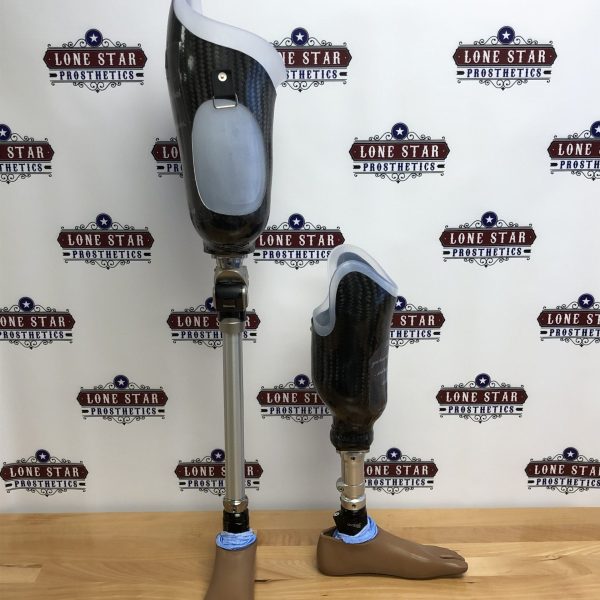
Type 2 diabetes and peripheral vascular disease (PVD) can affect circulation, sensation, and the body’s ability to heal. Over time, these conditions may lead to complications that require amputation.

TRAUMATIC INJURIES
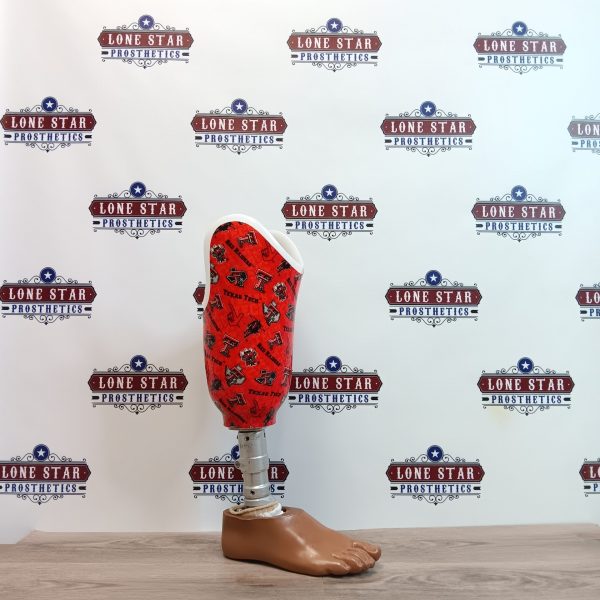
Accidents involving motor vehicles, industrial equipment, warehouse machinery, and other traumatic events can cause severe injuries that result in limb loss. These amputations often happen unexpectedly and may require immediate medical intervention.
CANCER & OTHER MEDICAL CONDITIONS
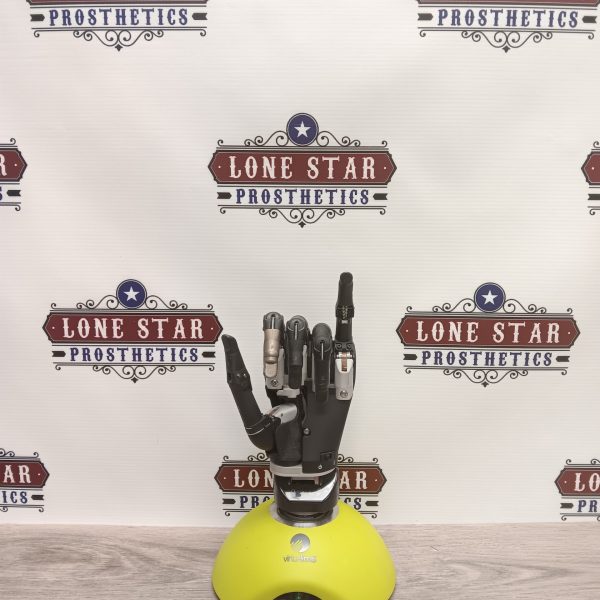
Certain cancers, particularly those affecting bones or soft tissues, may require amputation as part of treatment. Other serious infections or medical complications can also lead to limb loss.

PLANNED VS. EMERGENCY AMPUTATIONS
Some amputations are planned following months or years of medical treatment, while others happen suddenly due to an accident or medical emergency. Regardless of the circumstances, your prosthetic care team can help you understand your options and prepare for the next steps.
WHAT DOES YOUR AMPUTATION LEVEL MEAN?
The level of amputation refers to where a limb has been removed. This plays an important role in determining prosthetic design, available components, and rehabilitation needs.
Common lower-limb amputation levels include:
Partial Foot Amputation
Removal of one or more portions of the foot while preserving part of its structure.
Below-Knee Amputation (Transtibial)
Removal of the lower leg below the knee, preserving the natural knee joint.
Through-Knee Amputation (Knee Disarticulation)
Removal of the lower leg through the knee joint.
Above-Knee Amputation (Transfemoral)
Removal of the leg above the knee, requiring a prosthesis with an artificial knee joint.
Hip Disarticulation
Removal of the entire leg through the hip joint.
Upper Limb
Upper-limb amputations also vary in level, from partial hand and finger loss to below-elbow, above-elbow, and shoulder-level amputations.Your prosthetist will help explain how your individual anatomy influences your prosthetic options.
WHAT TO EXPECT DURING RECOVERY
Recovery after an amputation is a gradual process, and no two patients follow exactly the same timeline. Healing depends on several factors, including your overall health, circulation, amputation level, and rehabilitation progress.
The following milestones provide a general overview of what patients may experience.
THE FIRST 3 MONTHS
Healing & Preparation
During the early stages of recovery, the focus is typically on surgical healing, managing swelling, protecting the residual limb, and beginning rehabilitation.
Patients may work with their healthcare team on strengthening exercises, mobility, balance, and preparing the limb for a future prosthesis.
Some patients may begin prosthetic fitting during this period, while others need additional healing time.
3–6 MONTHS
Learning & Adjusting
As healing progresses, eligible patients may begin using a preparatory or initial prosthesis.
This stage often involves learning how to put on and remove the device, practicing walking or functional activities, and becoming familiar with proper socket fit.
Changes in residual limb size are common, so adjustments may be necessary.
6–9 MONTHS
Building Confidence
Patients may continue developing strength, balance, endurance, and confidence with their prosthesis.
As the residual limb changes shape and volume, socket adjustments or replacement may be needed to maintain a comfortable fit.
AROUND 1 YEAR
Establishing Your Routine
Many patients have developed a more consistent routine with their prosthesis by this stage.
However, continued changes in limb volume, activity level, and mobility goals may require additional adjustments or a new socket.
2 YEARS & BEYOND
Long-Term Prosthetic Care
Prosthetic care doesn’t end once you’ve received your device.
Regular evaluations help ensure your prosthesis continues to support your needs as your body, lifestyle, and activity levels change.
Components may require maintenance, repairs, or replacement over time.
IMPORTANT TO REMEMBER
These timelines are general educational guidelines, not guaranteed recovery milestones. Some patients progress more quickly, while others require additional time. Your surgeon, rehabilitation team, and prosthetist will help determine what’s appropriate for you.
THE ANATOMY OF A PROSTHESIS
A prosthesis is more than an artificial limb. It’s a carefully designed system of components working together to provide support, comfort, stability, and function.
Understanding these components can help you recognize changes in fit and communicate more effectively with your prosthetist.
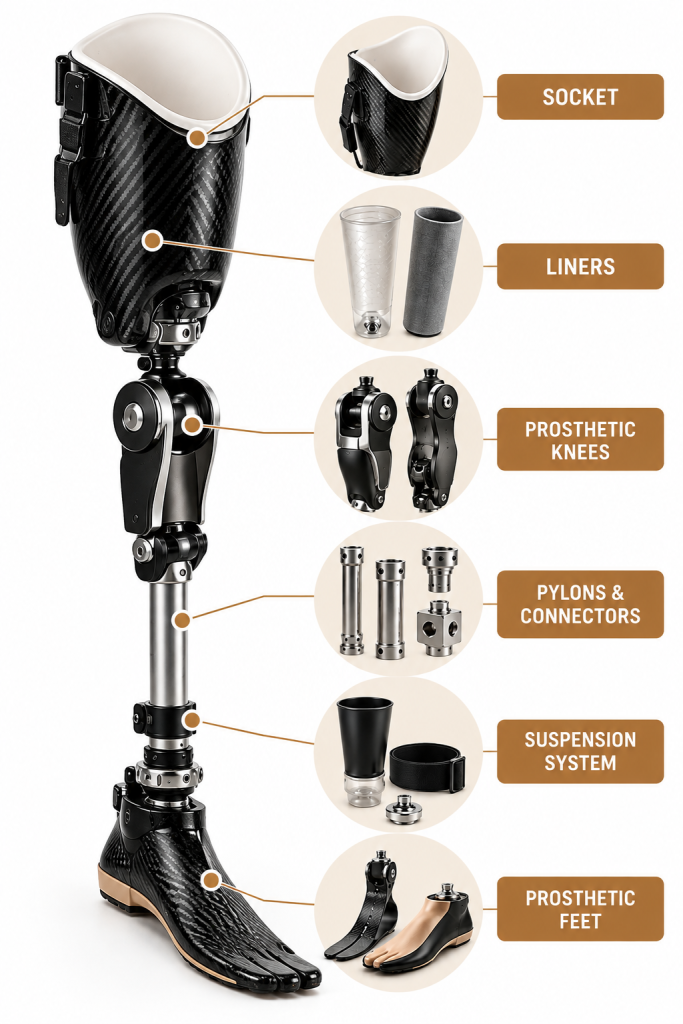
SOCKET
The socket is the custom-fitted portion of your prosthesis that surrounds your residual limb. It provides the primary connection between your body and the prosthetic device.
Proper socket fit is essential for comfort, stability, and safe movement.
LINERS
Prosthetic liners provide a protective interface between your residual limb and the socket. Depending on the design, they may also help suspend the prosthesis.
SUSPENSION SYSTEM
The suspension system helps keep your prosthesis securely attached to your residual limb.
Common systems include locking liners, suction, vacuum-assisted suspension, sleeves, and lanyard systems.
PROSTHETIC KNEES
For above-knee prostheses, an artificial knee joint helps control movement and provide stability during walking and other activities.
Knee options vary based on individual mobility needs.
PYLONS & CONNECTORS
These structural components connect different parts of the prosthesis and help establish proper alignment.
PROSTHETIC FEET
Prosthetic feet provide support during standing and walking. Different designs offer varying levels of flexibility, stability, and energy return.